TURKANA NATURE POETRY RETREAT
A retreat fostered in contemplation, collaboration and connection to the land.
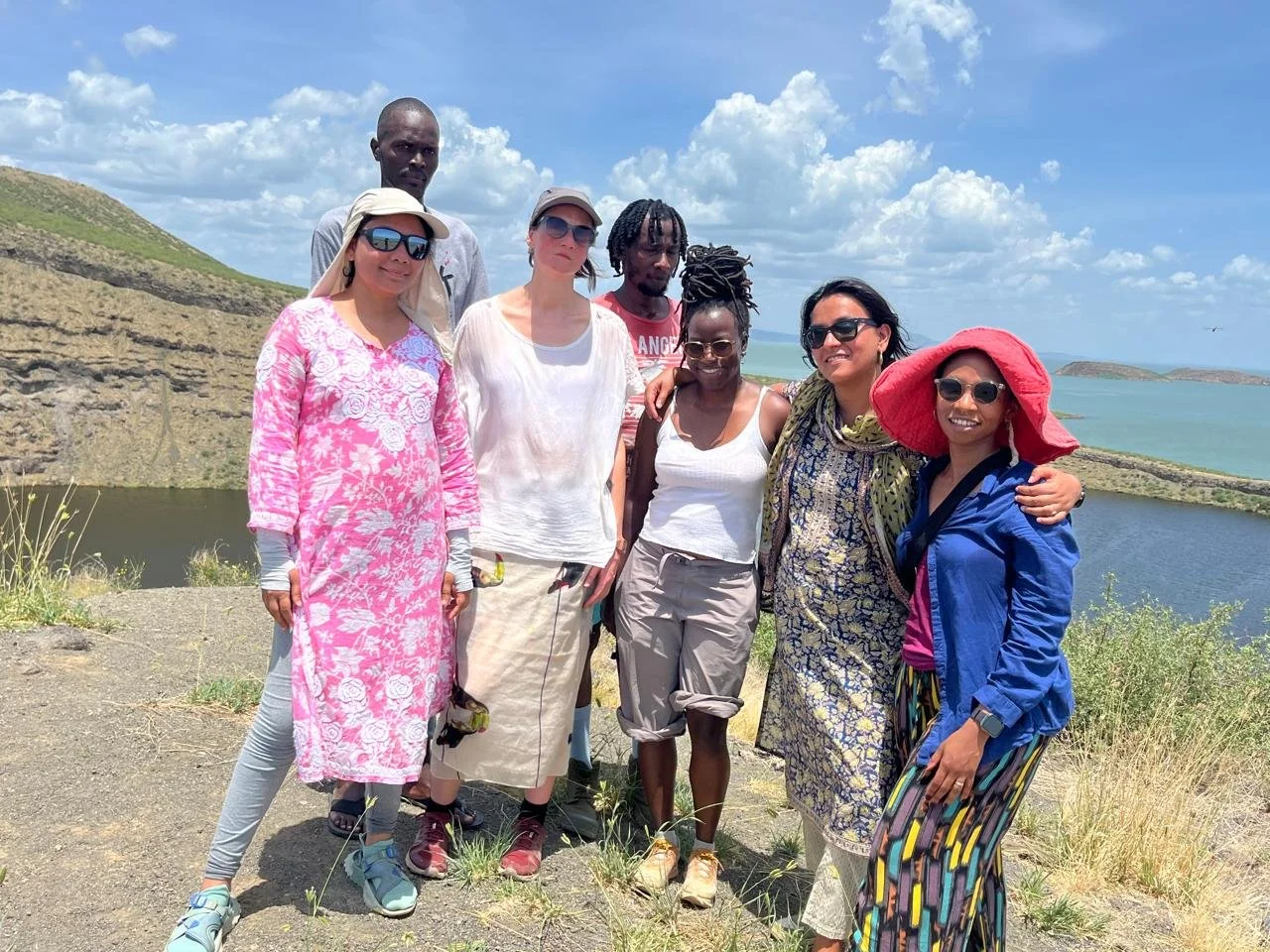
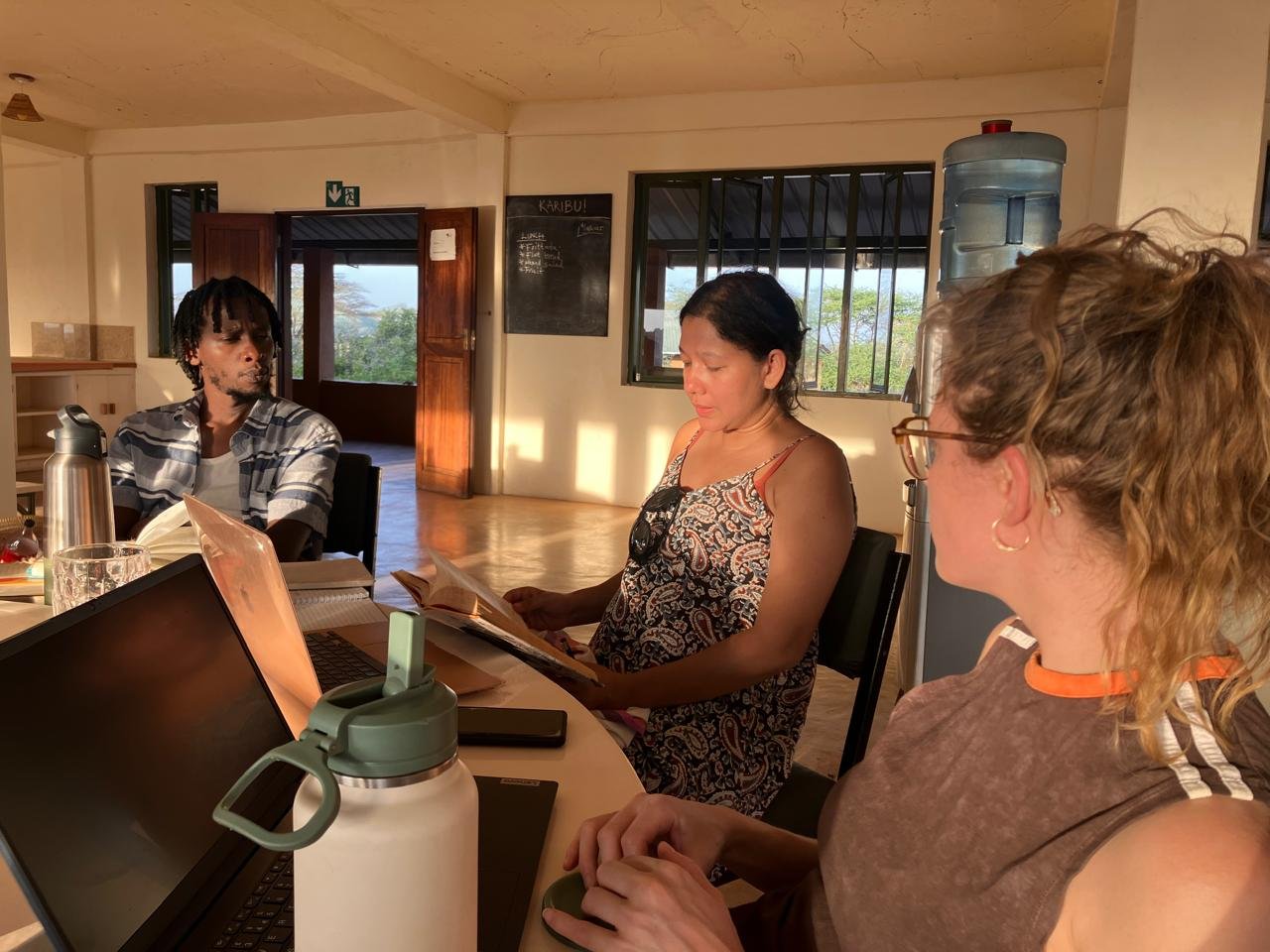
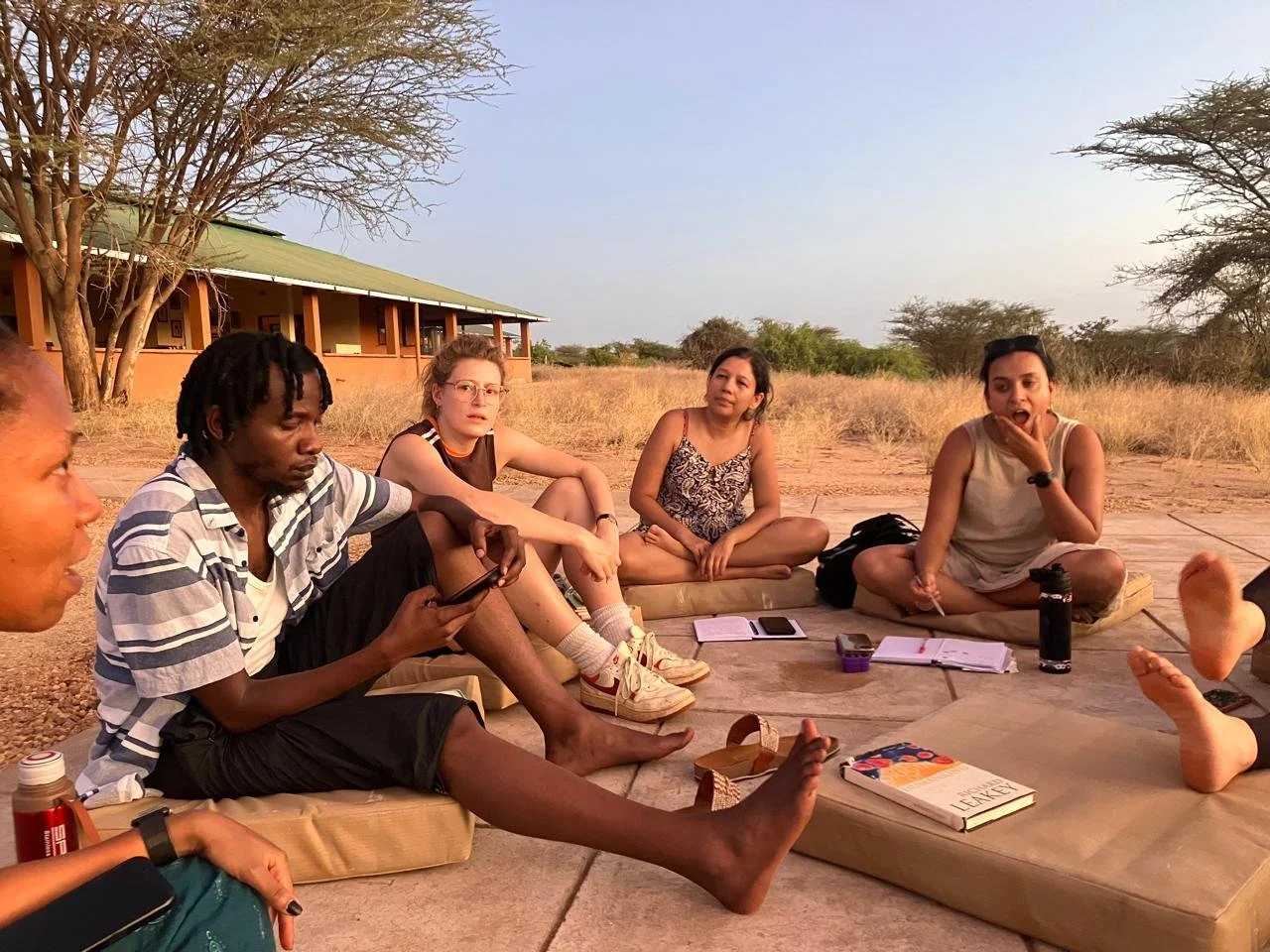
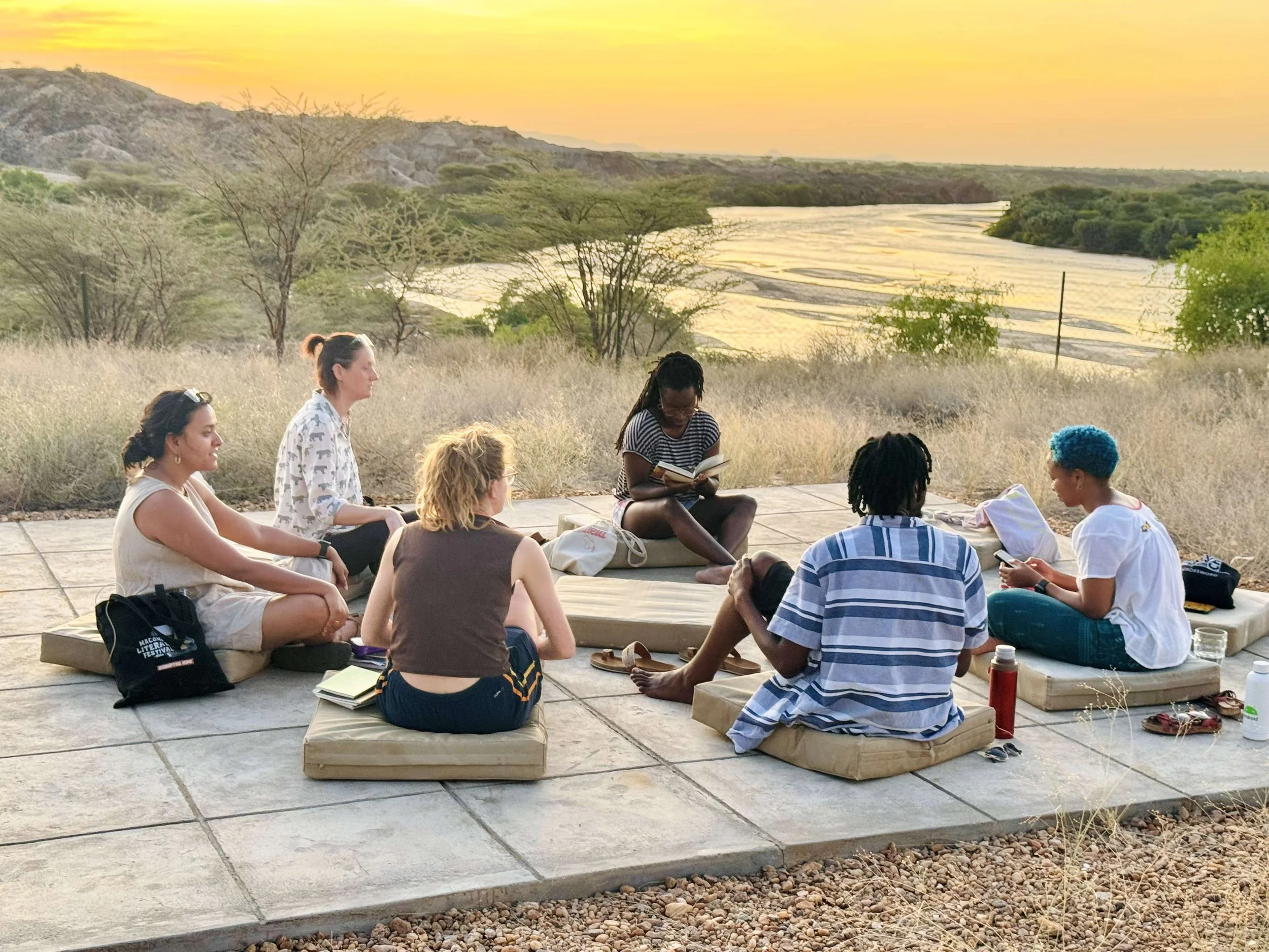
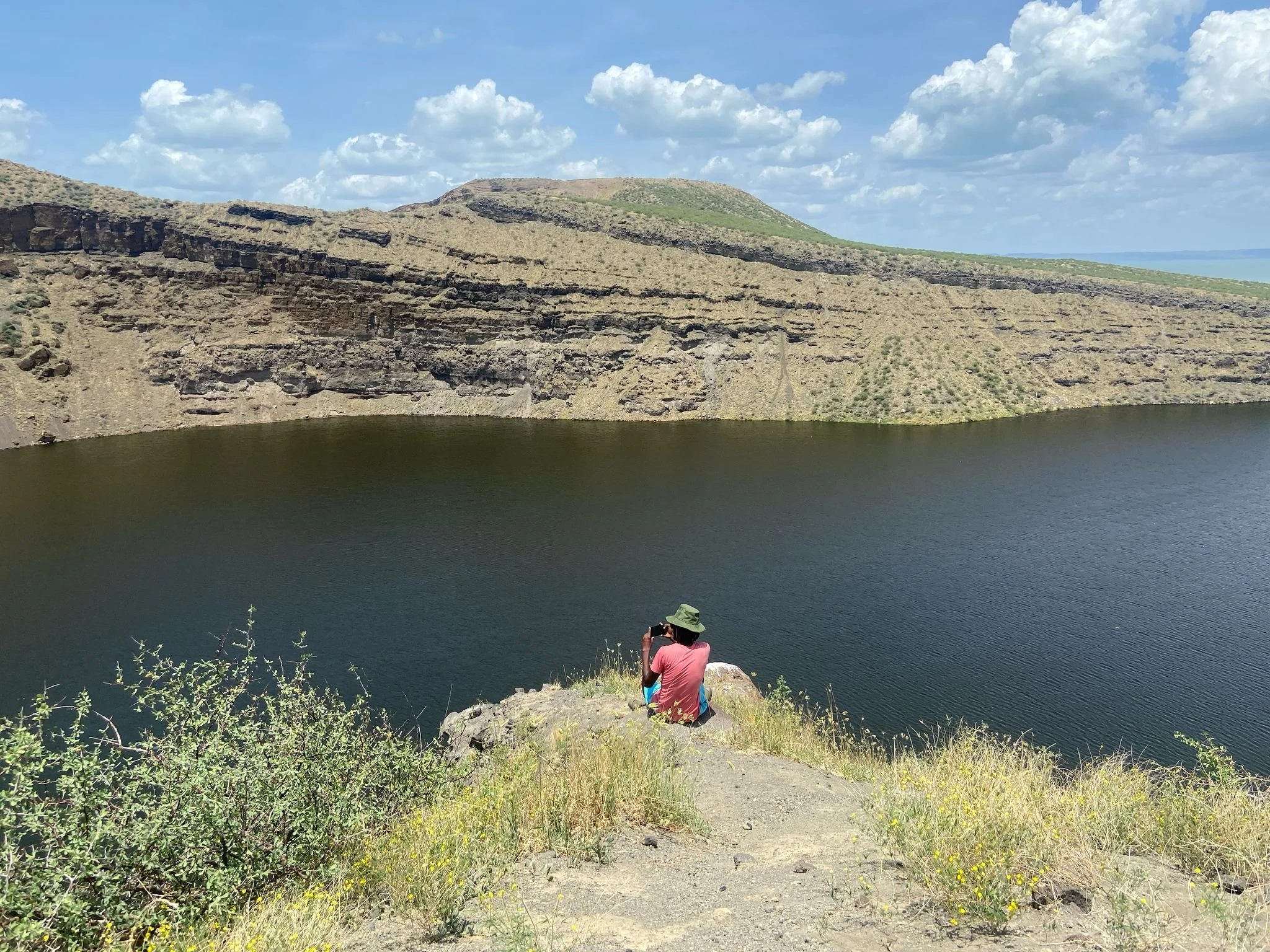
We welcome poets who put the non-human world (plants, animals, oceans, mountains) in all its forms at the centre of their artistic approach. At the Turkana Basin Institute (TBI) in Northern Kenya, they can work on expanding their poetic perspectives and explore a unique natural environment to support and encourage their writing and engagement with more-than-human ecology. They have the opportunity to engage with TBI researchers and their selections/ research findings, join them on excursions, but also get time to reflect, to write and to get their breaths taken away by the beauty of the landscape.
When the landscape writes back
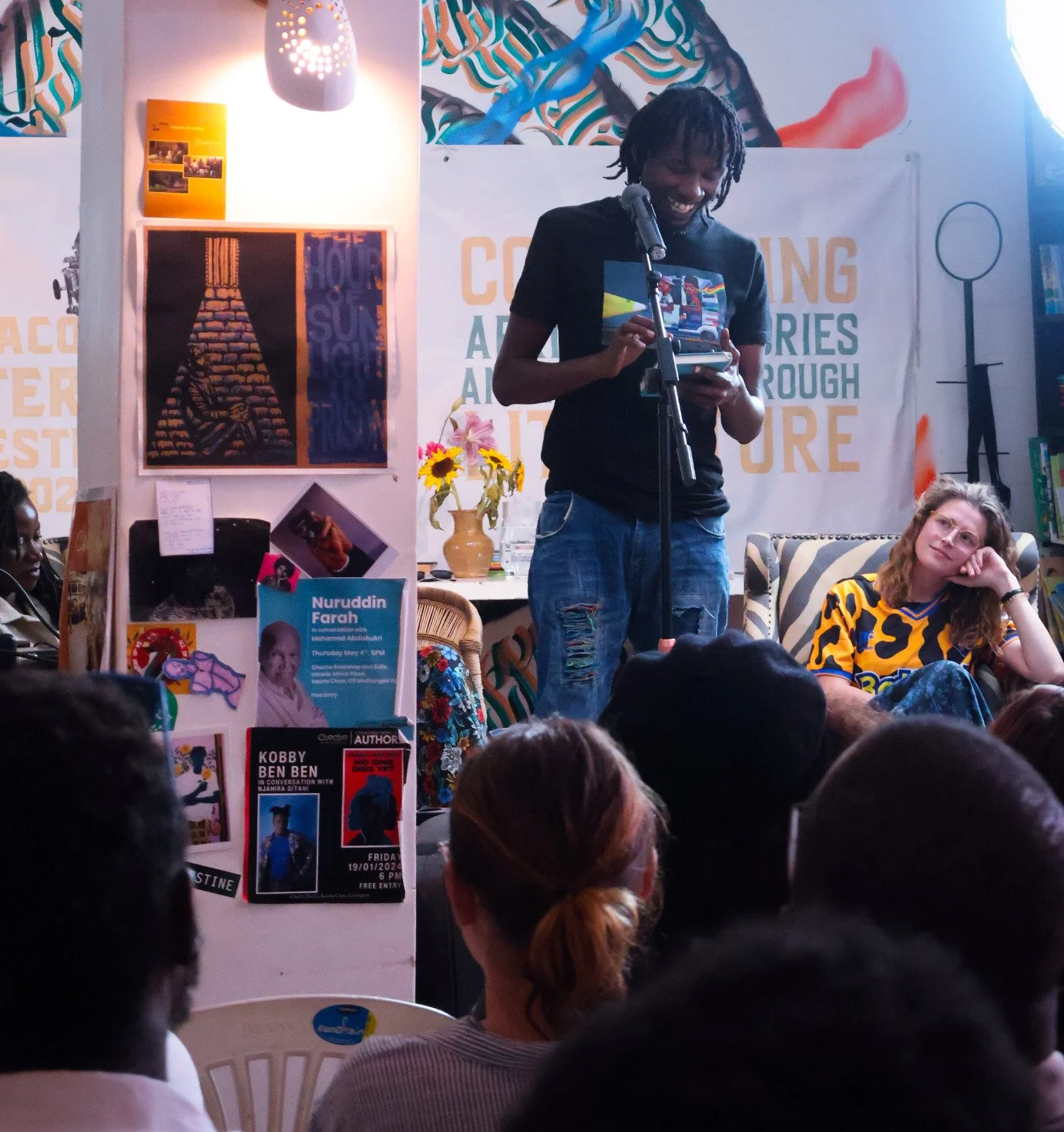
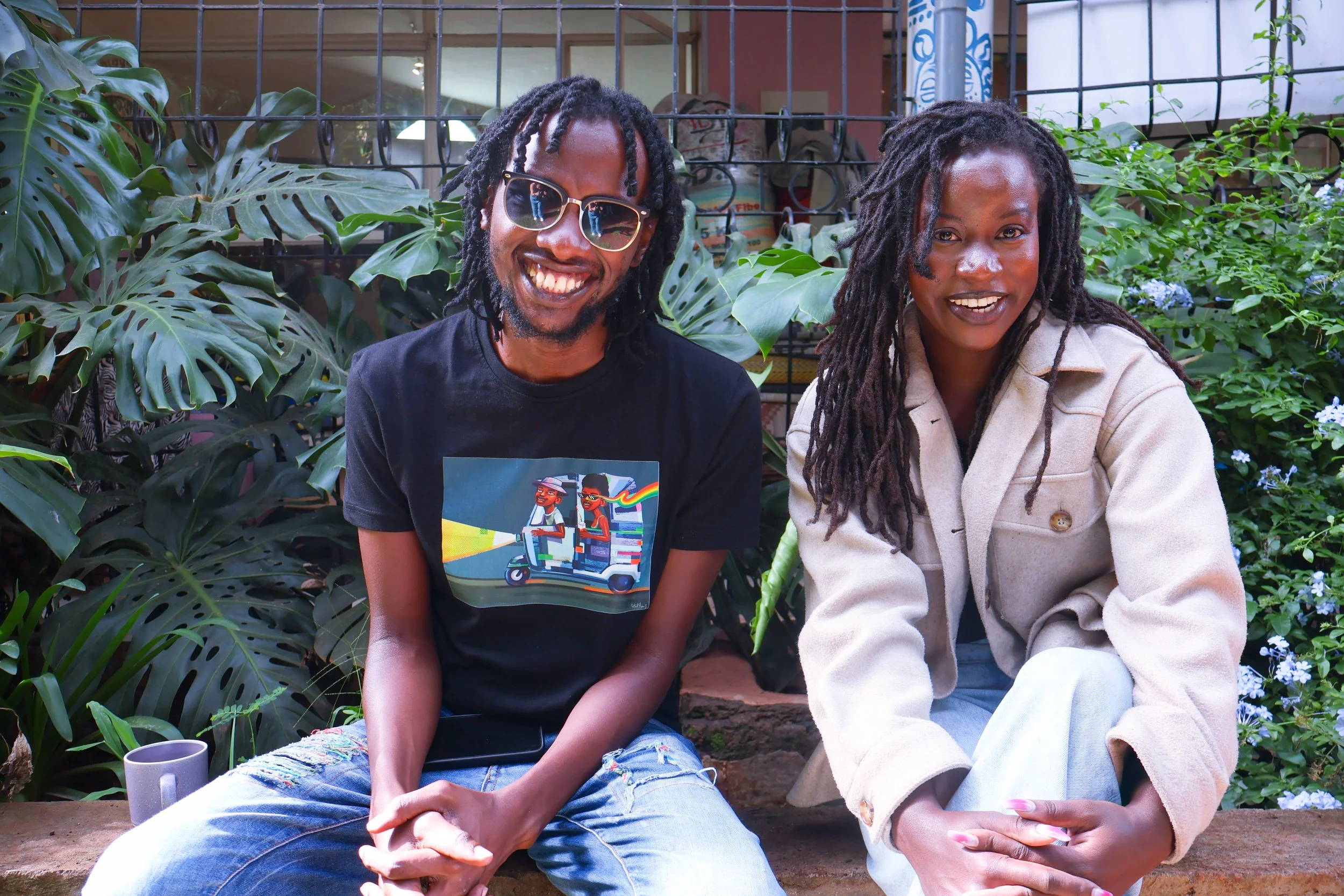
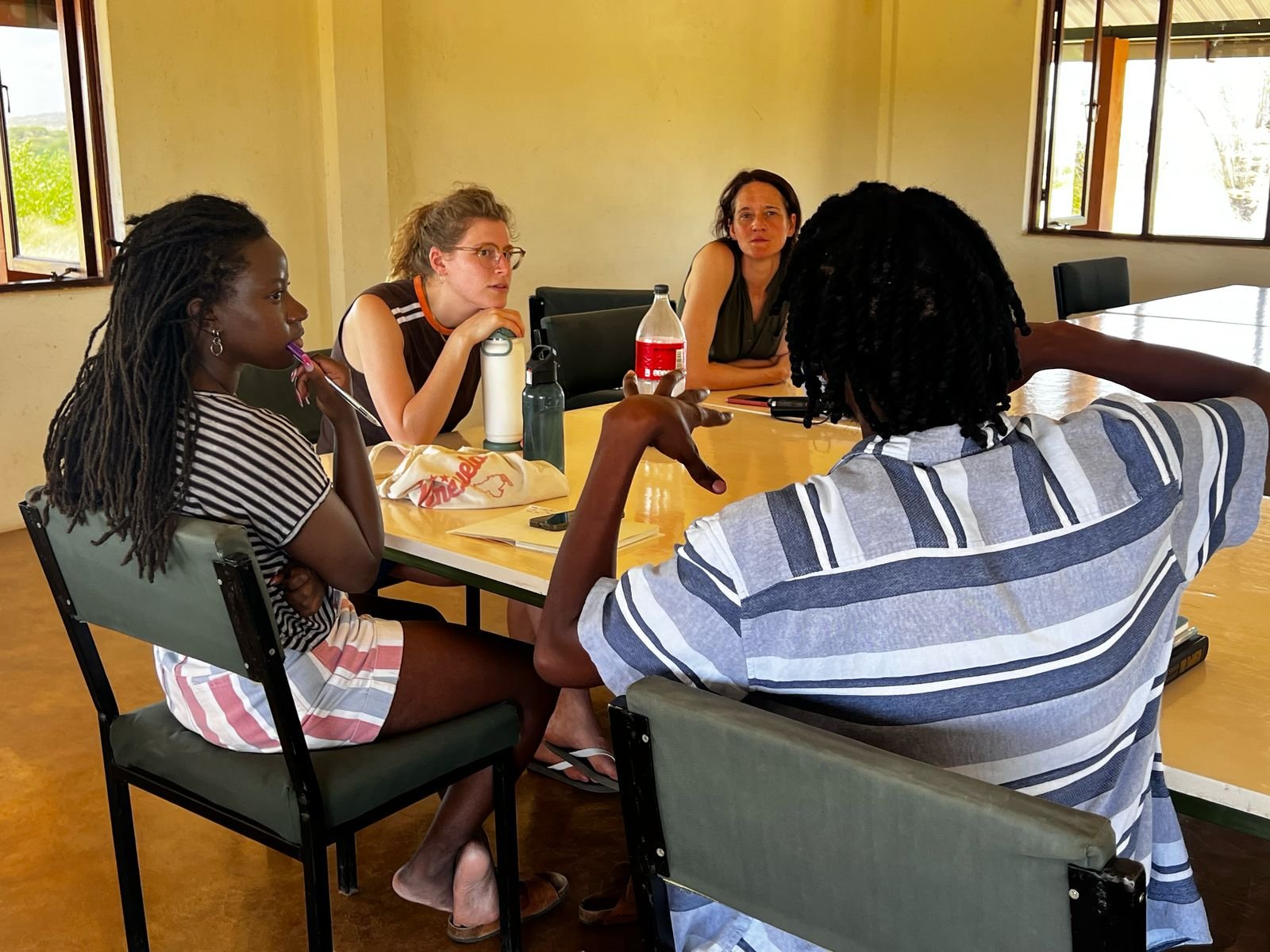
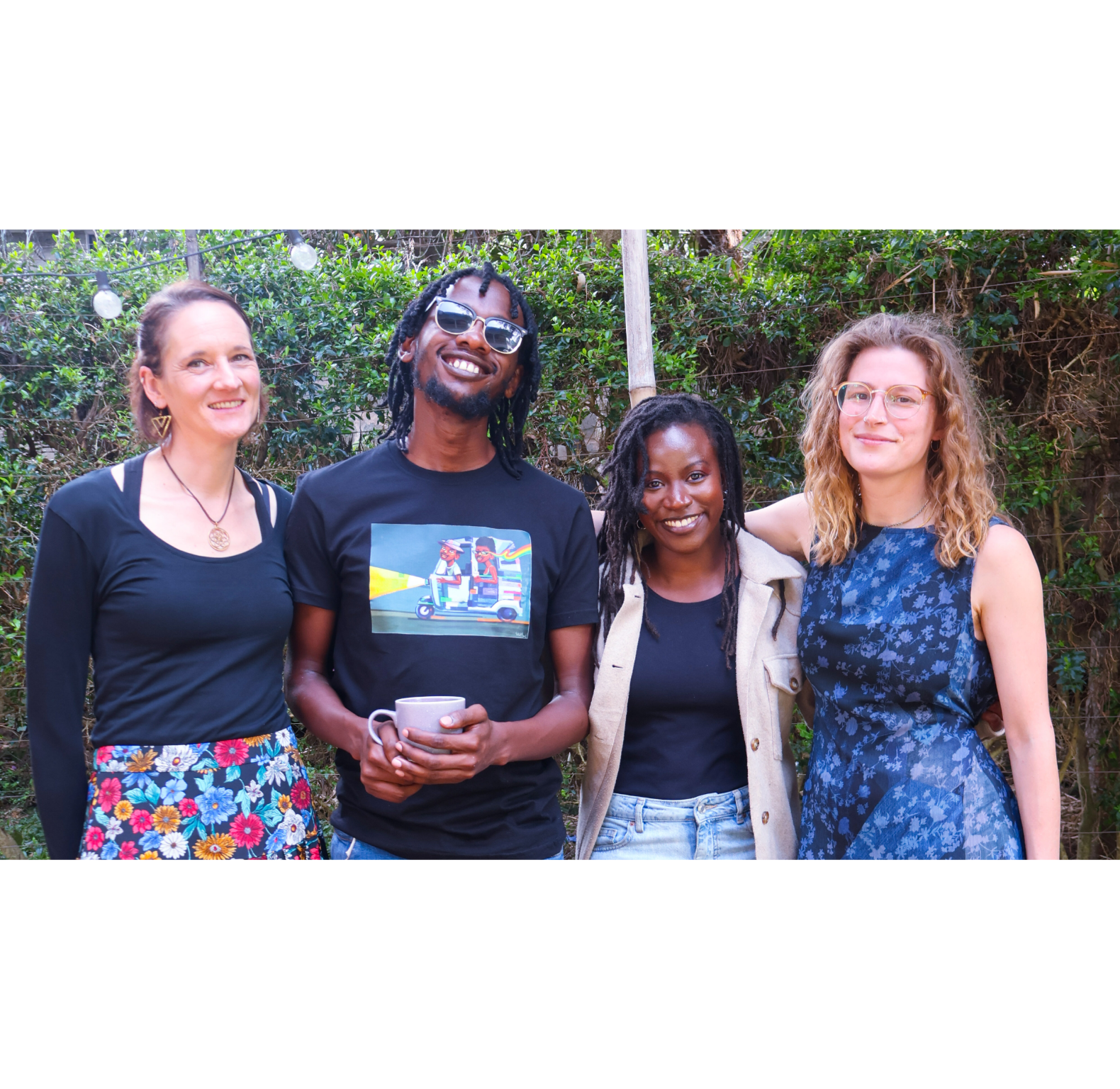
Guided by a Kenyan poetry practitioner, these explorations are blended with writing sessions, for individuals or in groups. At the end of the week-long stay, the group presents their work and impressions to an audience in Nairobi. Northern Kenya’s Turkana region is famously referred to by anthropologists as the “cradle of humankind.” Although many research projects facilitated by TBI are focused on human prehistory and biological evolution, this has expanded to include areas of sustainability, climate change, and modern human culture and diversity. In 2025, in collaboration with the Scottish Poetry Library, we welcomed Kenyan poets Ngartia and Michelle Angwenyi and Scottish poets Genevieve Carver and Eloise Birtwhistle to our first nature writing retreat. The poets were selected from a field of high quality applications (80 from Kenya, 17 from Scotland).
In 2026, we collaborate with Literature Live! in Mumbai, India.
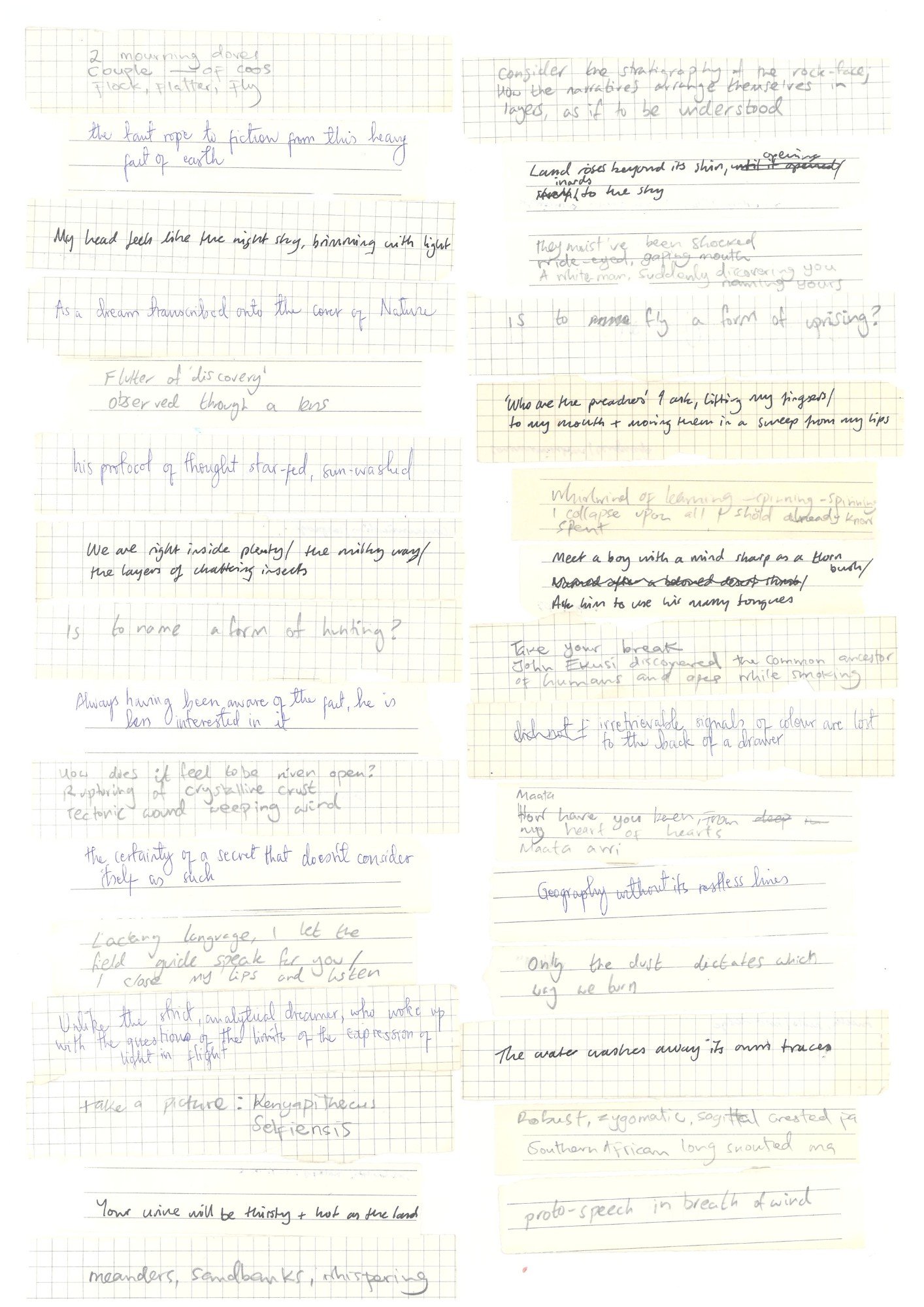
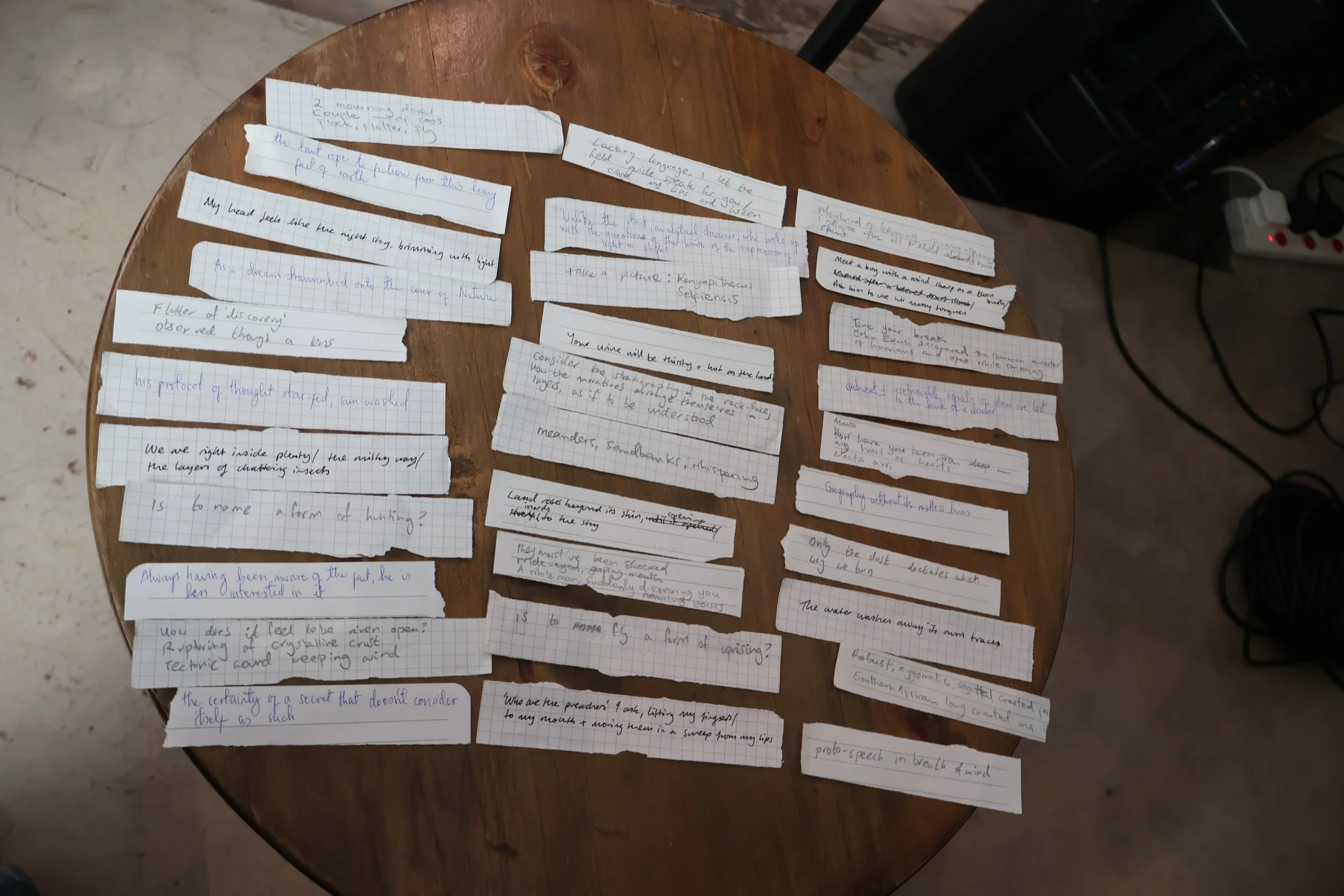
The four poets wrote a collaborative poem about their time in Turkana. To begin the collaboration, each poet wrote down the themes that emerged from their week of writing. Four of these themes appeared regularly in every poet’s writing: Communication/language, Truth/facts/knowledge, Colonialism, and Landscape/deep time/geology. Each poet selected lines that spoke to these four themes, which they wrote again on separate pieces of paper. The resulting 31 pieces of paper form a collaborative poem that can be shuffled and read in millions of different possible permutations. The following version emerged from a shuffle performed at the final event: